British Kitchen Designs: Why Bespoke Craftsmanship Still Leads the Way
There is a quiet confidence in a British kitchen that is hard to replicate. It is not just the furniture-like cabinetry or the hand-painted finishes, but the way everything feels considered, as if each drawer and shelf was planned around real life rather than a showroom template. After years of working in the design industry, I have seen trends come and go, yet the appeal of British kitchen designs has endured. That staying power comes from something deeper than aesthetics: it comes from a tradition of making things properly, and a willingness to adapt that craft to modern living.
Walk into any serious kitchen showroom in Glasgow and you will notice the difference straight away. The proportions feel right. The hardware has weight. The colours are not just painted on, they are built up in layers, with the kind of depth that only comes from skilled hands. This is not mass production. It is the opposite of flat-pack convenience. And that is exactly why so many homeowners are willing to wait weeks, sometimes months, for a kitchen that is made to their exact specification.
The Quiet Rise of British Craft
British kitchen designs have always had a particular character, one that favours warmth over minimalism and practicality over pure show. But the recent surge in interest is not nostalgia. It is a response to the throwaway culture that has left so many modern interiors feeling interchangeable. People want kitchens that age well, that can be repainted or reworked, and that carry a sense of permanence. That is why names like Smallbone of Devizes and deVOL Kitchens have become so influential. They do not chase trends; they refine a look that feels timeless, with Shaker doors, exposed shelving, and honest materials.
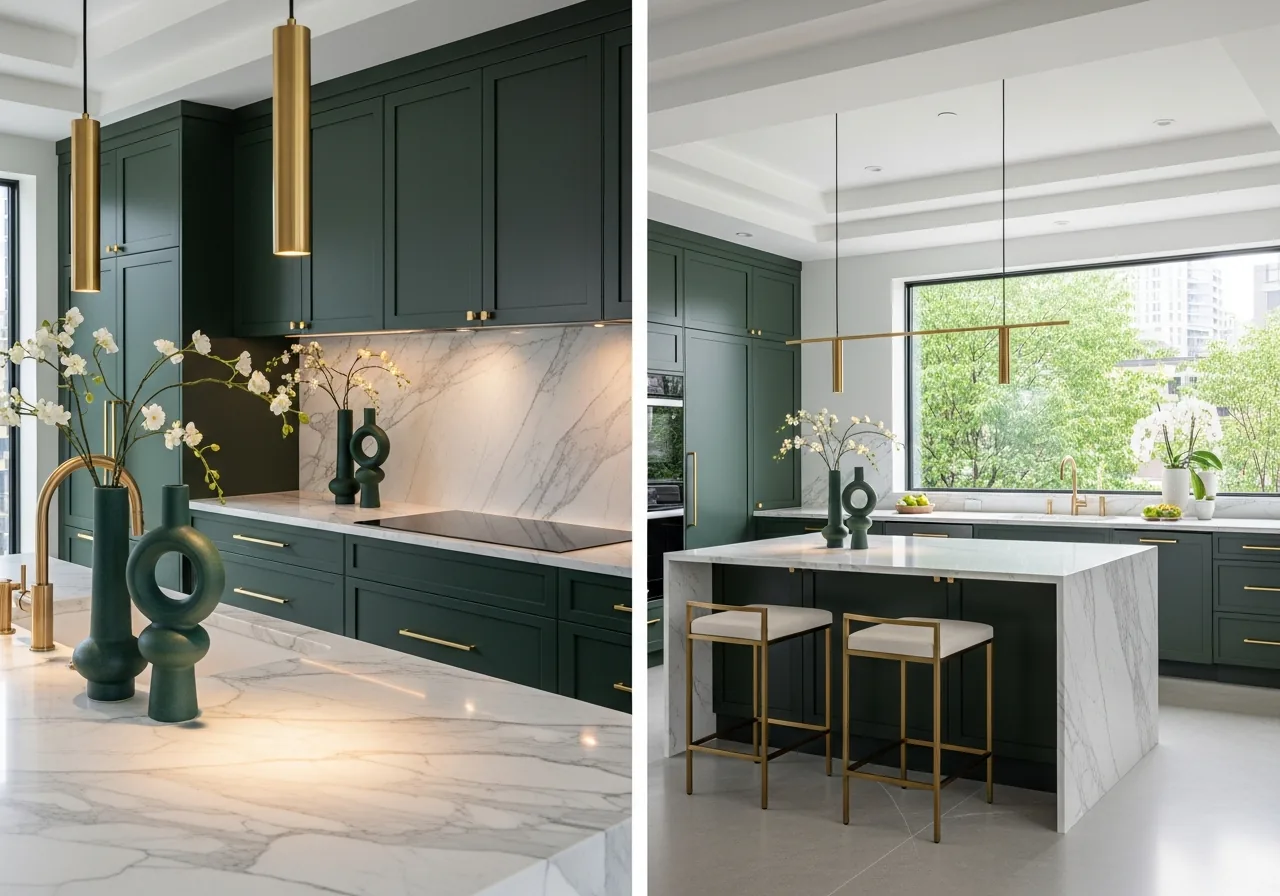
What sets these makers apart is their attention to detail. A deVOL larder cupboard, for instance, is not just a storage unit. It is a piece of furniture with beadboard panels, brass hinges, and a pull-out rack that makes you wonder how you ever lived without it. Smallbone, on the other hand, brings a more formal elegance, with intricate mouldings and a palette that leans towards muted greens, greys, and chalky whites. Both are quintessentially British, yet they speak to different tastes. That diversity is part of the strength of British kitchen designs: there is no single look, only a shared standard of quality.
Blending British and German Precision
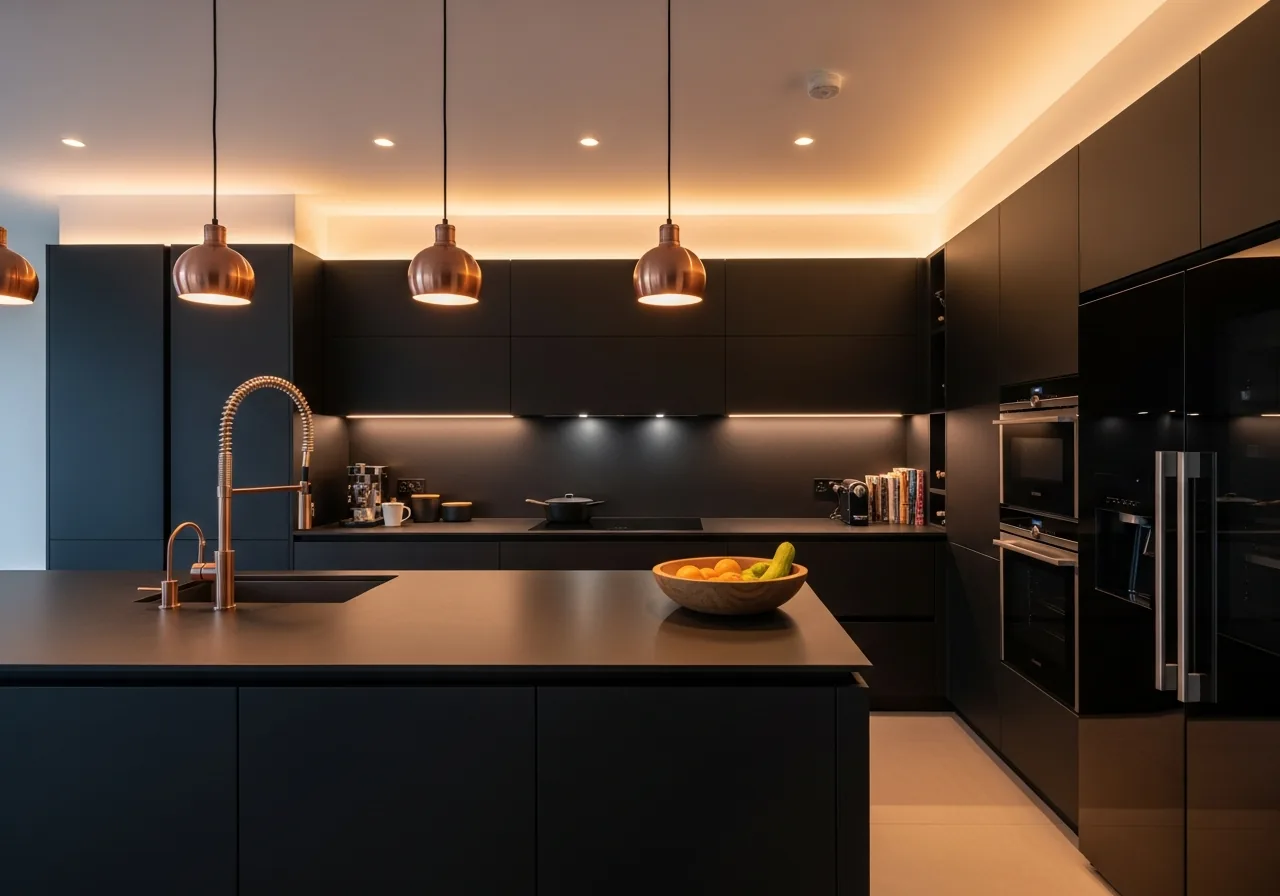
Of course, no discussion of modern kitchens would be complete without acknowledging the engineering prowess of German manufacturers. Brands like Poggenpohl and Boffi have perfected the art of seamless minimalism, with handleless fronts, soft-close mechanisms, and interiors that maximise every millimetre. For many clients, the choice between a hand-painted British kitchen and a sleek German one feels like a fork in the road. But the most successful projects often combine the two.
Imagine a British-made dresser with a quartz worktop, paired with a Poggenpohl island that houses a Gaggenau induction hob and a Sub-Zero wine fridge. The contrast works because each element plays to its strength. The British cabinetry brings character and warmth; the German system brings precision and performance. This hybrid approach is becoming more common in high-end renovations across Scotland, and it is easy to see why. It allows homeowners to enjoy the best of both worlds without compromising on style or function.
What Makes a Kitchen Truly British?
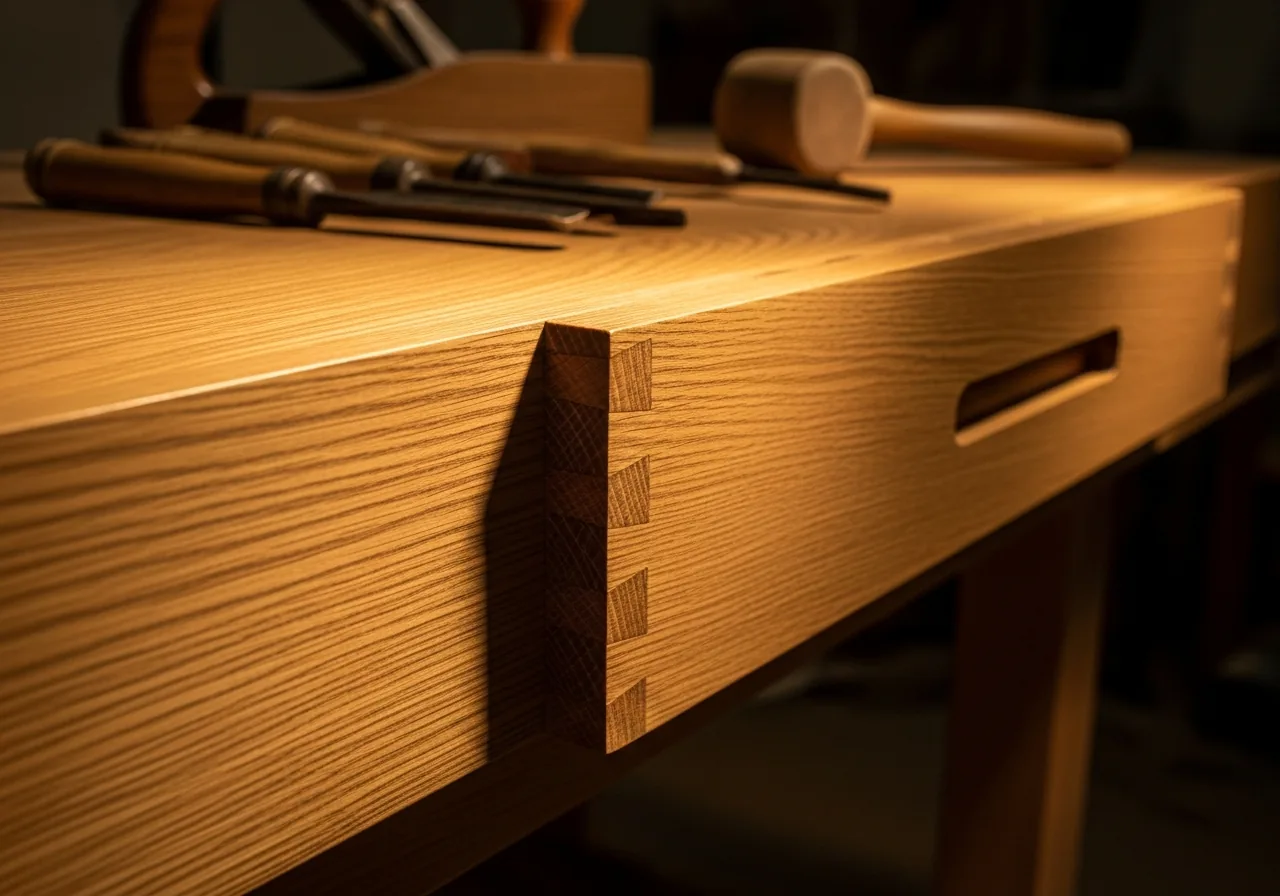
Authenticity matters. A kitchen can look British from a distance, but the real thing is in the details. Hand-painted cabinetry, for example, is a hallmark of British craftsmanship. Unlike factory-applied finishes, hand painting creates a subtle texture and a soft sheen that cannot be replicated by machine. It also allows for custom colour mixing, so you can match your kitchen to a favourite piece of china or the exact shade of a Scottish heather.
Another defining feature is the use of traditional materials. Oak, walnut, and painted softwoods are common, often paired with natural stone worktops like quartz or marble. The British Standard for cabinetry construction is also worth noting. It is not a marketing gimmick; it sets out specific requirements for durability, moisture resistance, and finish quality. When a kitchen is built to that standard, you can expect it to last for decades, not just until the next trend arrives.
There is also a certain attitude that comes with British design. It is less about showing off and more about creating a comfortable, functional space. A British kitchen does not shout. It welcomes. That is why you will often see open shelving with mismatched ceramics, a Belfast sink with a brass tap, and a large wooden table where friends can gather. It is a lived-in look, but one that is carefully curated.
From Glasgow to Mayfair: The Appeal Spreads
It is fascinating to see how British kitchen designs have moved beyond their traditional base. In London, you will find them in elegant terraces in Kensington and Mayfair, where space is tight but style is paramount. Up in Scotland, they are equally at home in period properties in Glasgow and in modern countryside homes with views of the Highlands. The flexibility of British design is one of its greatest assets.
That flexibility extends to the range of complementary products that now sit alongside British cabinetry. Brands like Bertazzoni bring Italian flair to ranges and hobs, while Gaggenau and Sub-Zero offer professional-grade refrigeration and cooking equipment that rivals any commercial kitchen. For those who appreciate the finer details, Noken and Kohler produce bathroom fixtures that echo the same design philosophy, and even a Glenfiddich whisky display cabinet can become a talking point in a room that is meant for entertaining.
Practical Considerations for Your Project
If you are thinking about a new kitchen, there are a few things to keep in mind. First, be realistic about your budget. Bespoke British cabinetry is not cheap, but it is an investment that adds value to your home. Second, plan for the long term. A kitchen is not a quick purchase; it is a space you will use every day for years. Choose materials that can handle real life, like quartz worktops that resist staining and scratching, or solid wood that can be sanded and re-oiled.
Third, think about how you actually cook and live. A kitchen that looks beautiful but does not work for your family will quickly become a source of frustration. That is why the design consultation is so important. A good designer will ask about your cooking habits, your storage needs, and your entertaining style. They will measure your space, talk through lighting and ventilation, and help you make the right choices. It is a collaborative process, and the best results come from honest communication.
Finally, consider the full picture. Your kitchen does not exist in isolation. It connects to your dining area, your living room, and sometimes even your garden. British kitchen designs work best when they feel like a natural extension of your home. That might mean choosing colours that echo your upholstery, or incorporating a breakfast bar that faces the garden so you can watch the kids play while you cook. These are the details that make a house feel like a home.
The Lasting Appeal of British Craft
In an age of instant everything, there is something deeply satisfying about waiting for something that is made well. British kitchen designs are not about following the crowd. They are about creating a space that reflects your personality, your habits, and your taste. Whether you prefer the rustic charm of deVOL, the refined elegance of Smallbone, or a modern blend that includes German engineering, the result is a kitchen that feels uniquely yours.
So, if you are planning a renovation, do not rush to the nearest flat-pack store. Take the time to visit a showroom, touch the materials, and speak to people who know their craft. You might be surprised by how much thought goes into a single hinge or a drawer slide. And when you finally stand in your finished kitchen, surrounded by the warmth of hand-painted cabinetry and the quiet hum of a Sub-Zero refrigerator, you will understand why British craftsmanship remains the gold standard.
British kitchen designs are more than a style choice. They are a statement about quality, longevity, and the joy of making something that lasts. And that is a tradition worth keeping.